
Infrastructure Routed Within Unified Site Timelines
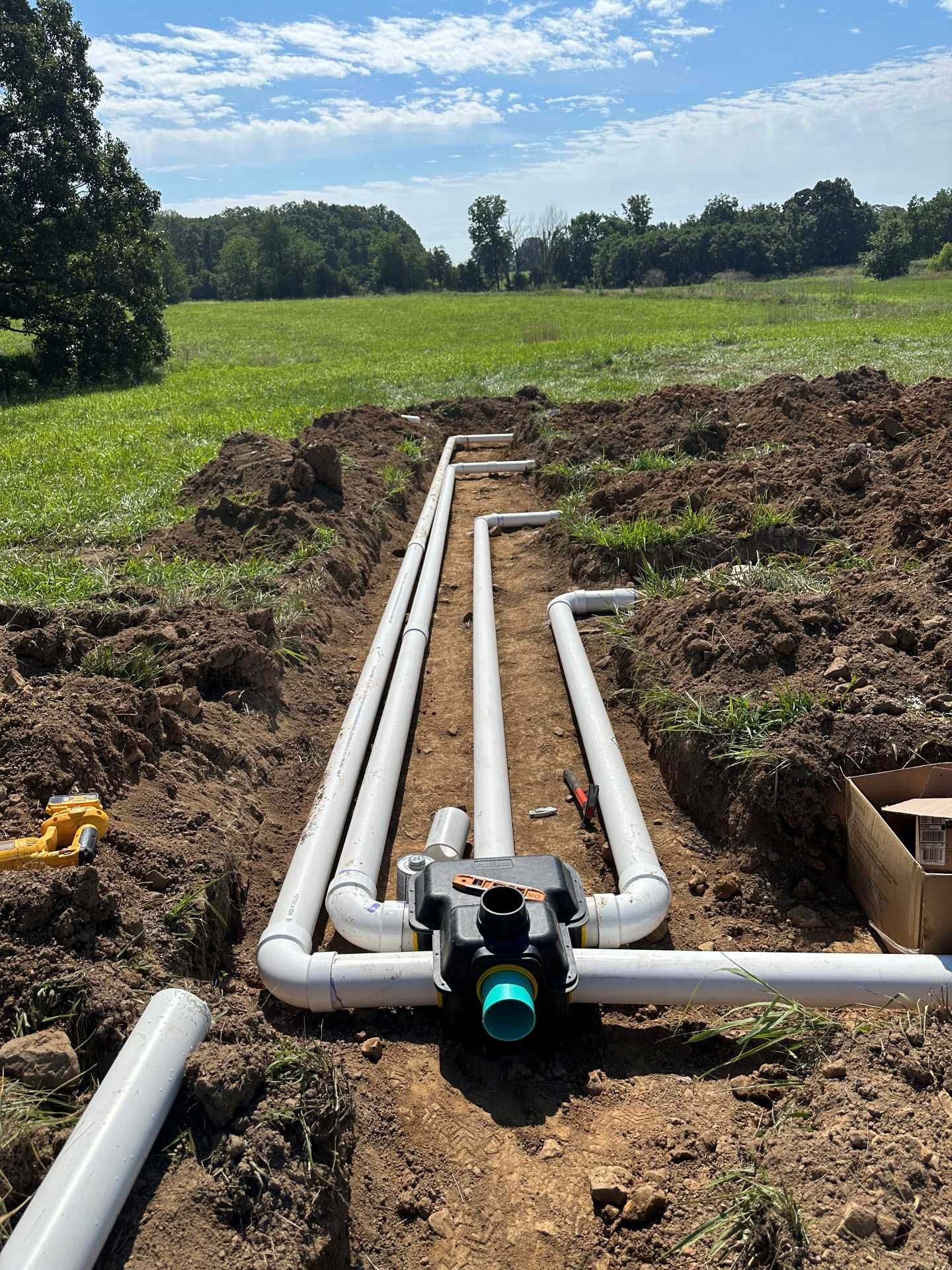
Utilities in Ozark for water, sewer, electric, gas, and drainage line installation during site development
Utility line installation often creates the longest delays on construction projects when a separate contractor waits for excavation to finish, trenches their lines, then leaves before grading can resume. SWM Land Services installs water, sewer, electric, gas, and drainage lines as an integrated phase of site development rather than a standalone service, which keeps trenching equipment on-site and eliminates gaps between clearing, line placement, and final pad preparation. The approach works across Ozark and Springfield where municipal codes dictate separation distances between utility types and frost-line depth requirements that change installation timing.
Installation involves trenching to code-specified depths, placing lines according to slope requirements for gravity-fed systems, and coordinating inspection schedules directly with utility providers. Routing decisions account for existing infrastructure, future hardscape locations, and drainage patterns established during initial grading. Pre-winter completion becomes critical in Missouri, where frozen ground prevents proper backfill compaction and creates spring settlement issues once soil thaws.
Request a utility coordination review to map line routing based on your site plan and municipal connection points.
Why Utility Timing Affects Foundation Schedules
When utilities get installed by the same crew handling excavation and pad prep, foundation contractors arrive to a site with lines already placed, tested, and backfilled to grade rather than waiting for a utility subcontractor to finish work that should have happened weeks earlier. Inspection coordination happens through one contact instead of requiring the general contractor to chase multiple companies for documentation before the building inspector will approve footing excavation.
After utility installation finishes, you'll see trenches backfilled in compacted lifts that won't settle under structural loads, lines marked at code-required intervals for future reference, and termination points positioned exactly where foundation plans specify connections. No patching or rework appears between utility trenches and surrounding grading because the same equipment operator managed both phases with full knowledge of final site elevations.
Missouri utility codes require specific bedding materials under certain pipe types and minimum cover depths that vary by line function, so installation includes more than just placing pipe in a trench. Gas lines need tracer wire for future location, sewer lines follow strict slope requirements to prevent blockages, and water lines must sit below frost penetration depth to avoid winter ruptures that flood excavations before vertical construction begins.
Common Utility Installation Questions
Projects in the 417 area often involve concerns about coordination, code compliance, and how utility work fits into overall site timelines.
What utilities can be installed as part of site development?
Water service lines from the municipal connection or well, sewer lines to septic systems or municipal tie-ins, electric service trenches for underground feeds, gas lines where natural gas service is available, and site drainage systems all get routed during the utility installation phase. Communication lines sometimes follow the same trenches depending on provider requirements and code allowances for shared routing.
How does utility installation coordinate with municipal inspections in Ozark?
Trenches remain open until the utility provider and municipal inspector verify depth, slope, and separation distances meet code, then backfill proceeds in controlled lifts with compaction testing at specified intervals. Some utilities require pressure testing or camera inspection before final approval, which affects the timeline between installation and site grading completion.
Why does frost line depth in Missouri matter for water line placement?
Water lines buried above the frost line risk freezing during prolonged cold periods, which causes pipe rupture and flooding that damages surrounding excavation work and delays foundation construction. Missouri's frost line sits deeper than southern states, so trenching for water service requires additional depth compared to electric or communication lines.
When during site development do utilities get installed?
Utility trenching happens after rough grading establishes site elevations but before final pad compaction and footing excavation, so lines reach their connection points at correct depths without interfering with foundation work. Installing utilities too early risks damage from subsequent grading equipment, while waiting too late pushes foundation schedules into weather windows that complicate concrete pours.
What documentation gets provided after utility installation?
As-built drawings showing actual line locations and depths, compaction test results for backfilled trenches, inspection approval records from municipal authorities and utility providers, and photographs documenting installation before backfill all become part of the project file. Future property owners and contractors use these records to avoid damaging buried lines during landscaping or additions.
SWM Land Services manages utility installation within the full site development sequence, so line placement happens on schedule without waiting for separate contractors to coordinate their portion of the work. Set up a site consultation to review utility routing requirements and how installation timing affects your construction schedule.