
Precision Routing for Underground Infrastructure
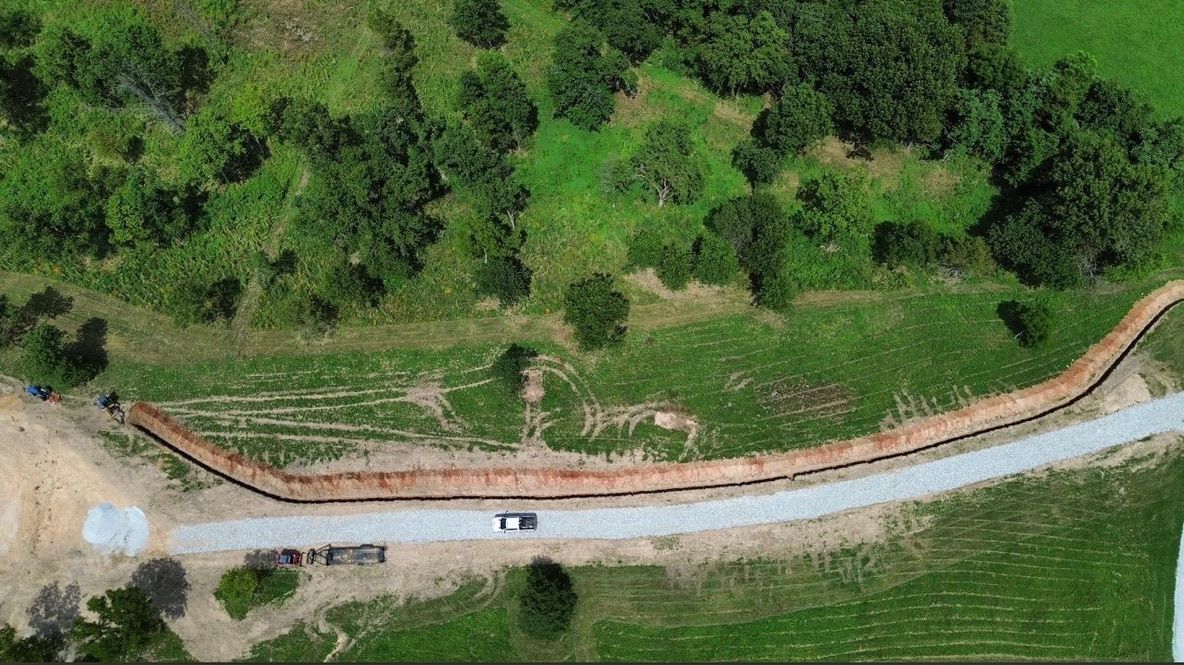
Trenching in Ozark for utility line installation, drainage systems, and site infrastructure routing
Missouri's frost line sits deeper than many property owners expect, which changes how trenching depth gets calculated for water lines and sewer runs during colder months. SWM Land Services handles trenching for electric, water, sewer, gas, and drainage systems across Ozark and the broader Springfield area, routing lines according to utility codes and site-specific conditions. The work integrates into larger site development projects, which eliminates the coordination gaps that show up when separate contractors handle clearing, excavation, and utility installation on different schedules.
Trenching involves more than digging a straight line—routing decisions account for existing infrastructure, slope requirements for gravity-fed systems, and code-mandated separation distances between different utility types. Equipment selection changes depending on soil composition, trench depth, and whether the run crosses areas that will later support driveways or structural loads. Width and depth get managed to meet both utility provider specifications and municipal inspection requirements before backfill begins.
Schedule a site evaluation to map utility routing based on your property's layout and infrastructure needs.
What In-House Trenching Prevents on Development Timelines
When trenching gets handled by the same crew managing land clearing and grading, the sequencing stays under one decision point instead of waiting on a separate contractor's availability. Equipment already on-site for excavation work transitions directly into trench cutting without mobilization delays. Utility providers coordinate with a single contact rather than navigating multiple subcontractors, which reduces the inspection scheduling gaps that stretch projects into weather windows that complicate backfill compaction.
After trenching and line placement, you'll see clean backfill compacted in lifts to prevent settling under future loads, utility markers placed at code-required intervals, and trench routes that avoid conflicts with drainage flow or planned hardscape features. The ground surface returns to grade specifications that match the surrounding excavation work, so there's no patchwork appearance between different phases of site prep.
Winter ground conditions in the Ozark region introduce frost penetration concerns that affect both trench stability during excavation and long-term performance of buried lines. Scheduling trenching work before ground freeze ensures proper compaction testing and eliminates the risk of spring settlement when frozen soil thaws and backfill shifts under load.
What to Know Before Trenching Begins
Projects in the Springfield metro area often involve questions about timing, routing, and how trenching coordinates with other site work.
What determines trench depth for water and sewer lines?
Missouri's frost line requires water lines buried below the freeze depth to prevent rupture during cold snaps, typically deeper than standard utility trenches for electric or communication lines. Sewer lines follow slope requirements that depend on the distance to the connection point and elevation change across your property.
How does trenching integrate with grading and pad preparation?
Trenching happens after rough grading establishes site elevations but before final compaction and pad prep, so utility lines reach their termination points at correct depths without requiring rework once foundations or driveways go in. Routing gets planned during the initial site assessment to avoid conflicts with drainage features or structural footings.
Why does soil composition in Ozark affect trenching costs?
Rocky or clay-heavy soil requires different equipment and more time per linear foot than loose or sandy soil, which changes both the excavation rate and the backfill material needed to meet compaction standards. Some properties require imported fill if native soil doesn't compact properly around utility lines.
When should trenching be scheduled to avoid weather delays?
Ground conditions from November through early spring introduce frost penetration and mud issues that slow equipment and complicate compaction testing, so projects requiring utility installation typically target completion before late fall. Summer heat doesn't stop trenching work but does affect crew scheduling and equipment cooling intervals.
What gets included in trenching beyond the excavation itself?
Line placement, bedding material where required by code, backfill compaction in controlled lifts, and coordination with utility providers for inspection timing all happen as part of the trench installation process. Marking and documentation for future reference also get completed before final grading.
SWM Land Services coordinates trenching within the full site development timeline, so utility installation aligns with clearing, grading, and pad preparation without waiting on separate contractors. Request a project consultation to review routing options and scheduling that fits your construction timeline.