
Complete Projects Without Contractor Coordination Gaps
Turnkey Site Development in Ozark for residential and commercial projects requiring unified land clearing through utility installation
Springfield metro growth has pushed larger residential subdivisions and commercial parcels into areas that require extensive site work before any vertical construction begins. SWM Land Services manages every phase of site development—land clearing, demolition, excavation, grading, utilities, house pads, footings, backfill, and driveways—under one contractor instead of coordinating separate companies for each phase. You work with a single point of accountability from the initial clearing through final inspection, which removes the scheduling conflicts and blame-shifting that appear when one contractor's delay pushes everyone else back.
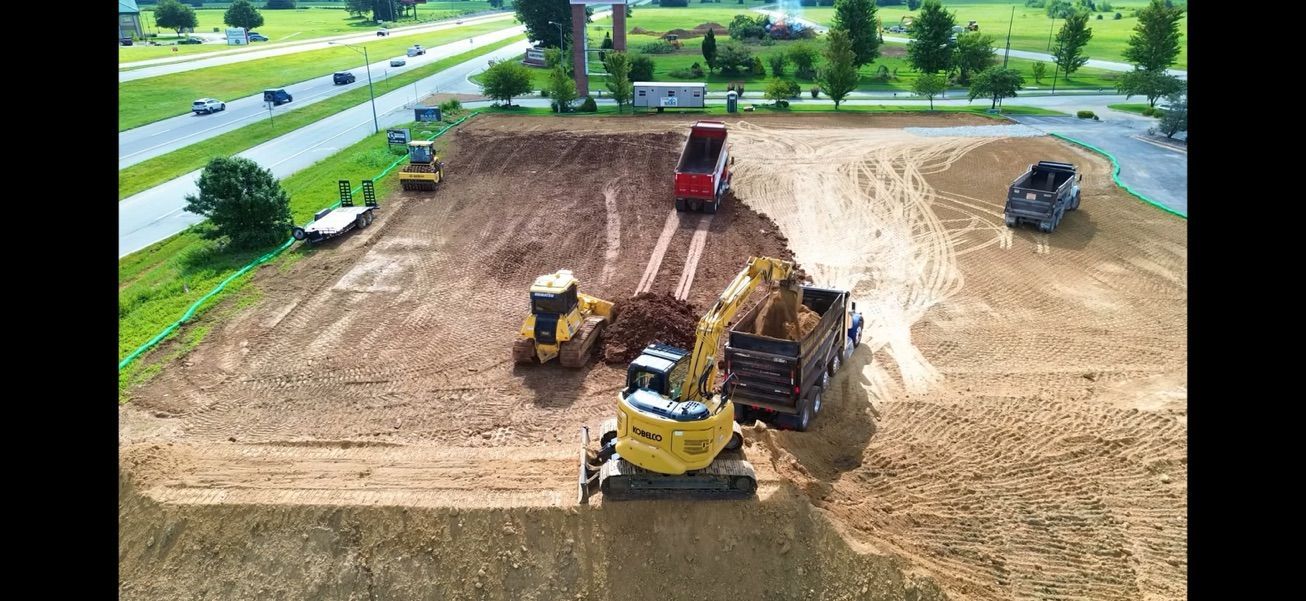
Turnkey site development means the crew clearing trees also handles the excavation for utilities, grades the building pad, and prepares footings without waiting for another company to mobilize equipment. Each phase flows directly into the next based on soil conditions, inspection schedules, and weather windows rather than subcontractor availability. The approach scales to fit larger residential projects and smaller commercial sites across Ozark, Springfield, and into the Branson resort markets and northwest Arkansas growth corridors.
Schedule a site assessment to review the full scope of clearing, grading, utilities, and pad preparation your property requires.
How Single-Contractor Workflow Changes Project Timelines
When the same crew moves from clearing to trenching to grading without demobilizing equipment between phases, projects stay on schedule even when weather interrupts specific tasks. One team already familiar with your site's soil composition, drainage patterns, and existing infrastructure makes decisions faster than a new contractor arriving mid-project to handle one isolated phase. Material deliveries, inspection coordination, and utility provider scheduling all route through one contact instead of requiring you to manage multiple companies with conflicting priorities.
After completion, you'll see a site ready for vertical construction without gaps in compaction, drainage systems that tie into utility lines correctly, and pads leveled to specifications that match foundation plans. Equipment transitions off your property once, not after every subcontractor finishes their isolated piece of the project. Documentation and inspection records stay unified instead of scattered across multiple companies.
Seasonal considerations in Missouri require most projects to reach substantial completion before November, when ground freezing complicates excavation and compaction testing becomes unreliable. Turnkey scheduling allows flexibility to prioritize critical phases during optimal weather windows without waiting for a subcontractor's calendar to open up. Four years of experience managing these timelines has shown which tasks can continue through marginal conditions and which require dry, warm ground to meet code requirements.
Questions About Full-Site Project Management
Property owners in the 417 area typically ask about sequencing, costs, and how turnkey projects differ from traditional multi-contractor approaches.
What phases does turnkey site development actually include?
The process covers land clearing and tree removal, demolition of existing structures if needed, excavation and grading to establish site elevations, trenching and utility line installation for water, sewer, electric, gas, and drainage, house pad preparation with compaction testing, footing excavation to code depth, backfill around foundations, and driveway base preparation. Each phase ties directly into the next without remobilization delays.
How does turnkey pricing compare to hiring separate contractors for each phase?
While per-phase costs might appear lower when broken out across multiple bids, turnkey projects eliminate coordination fees, duplicate mobilization charges, and the premium you pay when one contractor's delay forces another to reschedule. You also avoid paying for overlap periods when multiple contractors wait on each other or rework sections another crew damaged.
Why does project size in Ozark affect turnkey feasibility?
Crew size scales to match larger residential developments and smaller commercial projects, but very small residential jobs sometimes don't justify the full turnkey workflow if only one or two phases require professional equipment. Most single-family custom builds and anything larger benefit from unified scheduling and accountability.
When should site development start to finish before winter weather?
Ground conditions in the Springfield area become unpredictable by late October, so projects targeting pre-winter completion typically need to start by mid-summer depending on scope. Clearing and rough grading can continue into cooler months, but utility installation and compaction-critical work require completion before sustained freezing temperatures arrive.
What happens if inspections fail or conditions change mid-project?
Single-contractor accountability means adjustments happen immediately without waiting for a subcontractor to return or arguing about whose responsibility the issue falls under. Equipment and crew already on-site can address inspection notes or unexpected soil conditions the same day rather than scheduling a return visit weeks later.
SWM Land Services operates as the single decision point from initial clearing through final grading, which keeps residential and commercial site development moving without contractor coordination slowdowns. Arrange a project walkthrough to evaluate your site's specific requirements and timeline constraints.